
 As rural communities across the US are increasingly devastated by the cascading crises of a global pandemic coupled with stronger and more frequent climate disasters, civil discourse about the environmental and public health challenges in non-urban communities has also broken down. A recent study conducted by the Nicholas Institute for Environmental Policy Solutions at Duke found that “While many rural voters voiced concern about climate change (and particularly its disproportionate impact on rural communities), they were generally reticent to talk about it with their friends and neighbors given the polarization and controversy surrounding the issue.” In response, an opportunity to foster face to face dialogue around climate and other environmental impacts in small towns launches this week, the nonprofit organization Working Films announced today.
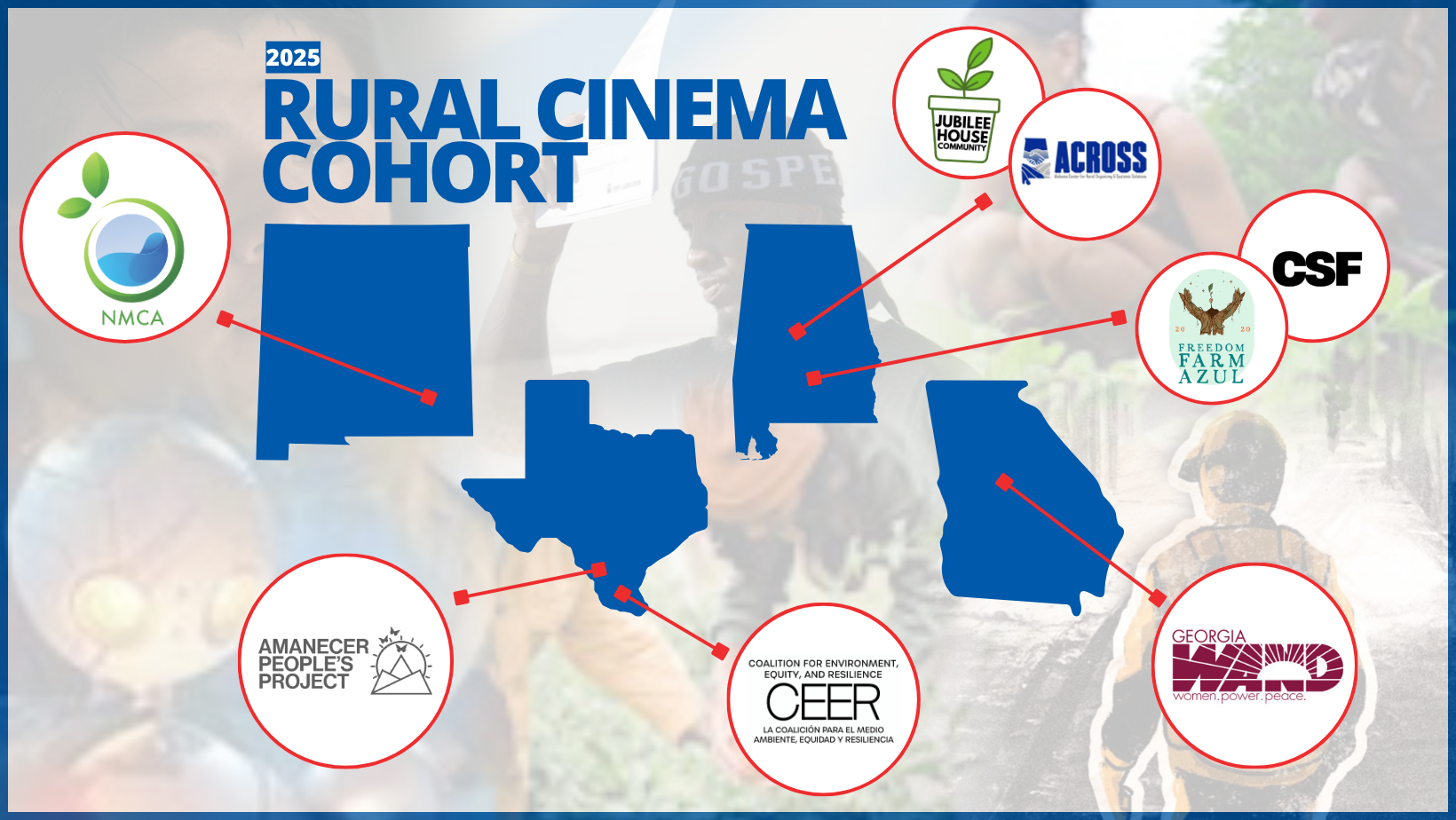
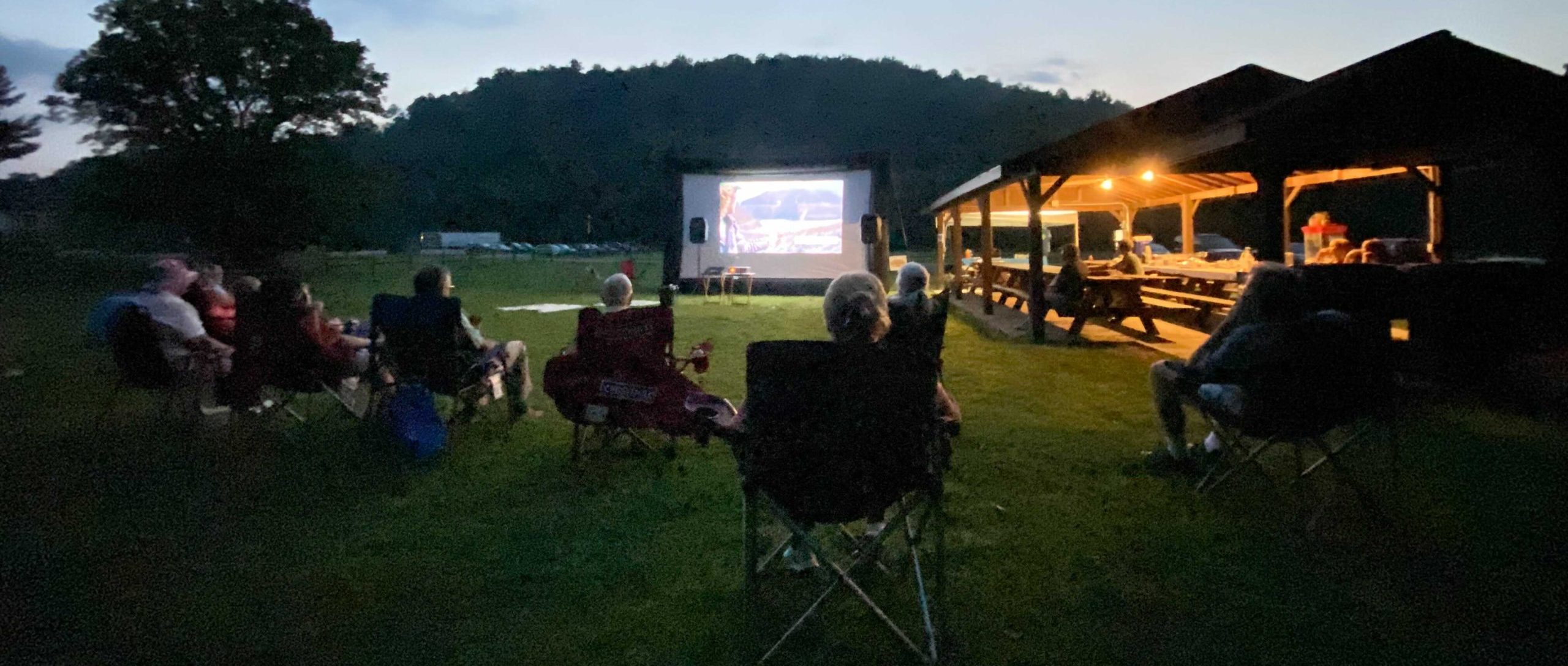
Rural Cinema is a training and community engagement initiative supporting environmental leaders in rural areas and small towns across the nation in using films as a resource to gather their communities to discuss local impacts and opportunities to protect the environment. Any leader working towards environmental justice and protection in a small town or rural area is eligible to apply.
“Rural communities are crucial to growing the movement for a clean energy future.” said Andy Myers, Director of Campaigns and Strategy at Working Films. “Film has an incredible power to inform and shift the story about an issue. Our Rural Cinema program is here to support rural leaders by providing the films, equipment and resources needed to create space, either in-person or virtual, so their community can come together, learn and become inspired to work with each other to tackle the environmental problems affecting their lives.”
The deadline to apply for Rural Cinema is January 17, 2022. Selected applicants will participate in four virtual training sessions focused on best practices for using documentary film as an organizing, educational, civic engagement, and advocacy resource. They will also receive a $2,500 honorarium, film screening equipment provided by Epic Outdoor Cinema, a solar battery to run the equipment, and a $5,000 budget for any other hard costs needed to host a film series in their community.