
Now in its fourth year, Working Films' Impact Kickstart program has helped underrepresented filmmakers create strategic goals for impact and specific plans to engage future partners, funders, and audiences in meaningful ways. This year, we will be providing $30,000 in…
Now in its fourth year, Working Films' Impact Kickstart program has helped underrepresented filmmakers create strategic goals for impact and specific plans to engage future partners, funders, and audiences in meaningful ways. This year, we will be providing $30,000 in impact campaign funding to each recipient, in addition to our in-kind services. Impact Kickstart recipients will use these grants toward the implementation of each film’s impact campaign.
In reflection about the evolution of Impact Kickstart, Gerry Leonard, who now leads the program says, "In all of our work, we prioritize amplifying and increasing support for underrepresented artists. We believe the intentionality in our Impact Kickstart program reflects our commitment to redistributing resources and access within documentary filmmaking as well as highlighting critical stories that illuminate the complex intersections between people and issues."
We are thrilled to announce the two films receiving an Impact Kickstart in 2021!
BRING HER HOME by Leya Hale (Director/Producer) and Sergio Mata’u Rapu (Producer/Editor)
 Native women make up less than one percent of the U.S. population yet face murder rates that are more than ten times the national average. Bring Her Home follows three indigenous women – an artist, an activist, and a politician – as they fight to vindicate and honor their missing and murdered relatives who have fallen victims to a growing epidemic across Indian country. Despite the lasting effects from colonization, each woman must search for healing while navigating racist systems that brought about this very crisis.
FIRE THROUGH DRY GRASS by Andres “Jay” Molina (Co-Director), Alexis Neophytides (Co-Director/Producer), Jennilie Brewster (Producer), Peter Yearwood (Associate Impact Producer), and Vincent Pierce (Impact Strategist/Musician)
Native women make up less than one percent of the U.S. population yet face murder rates that are more than ten times the national average. Bring Her Home follows three indigenous women – an artist, an activist, and a politician – as they fight to vindicate and honor their missing and murdered relatives who have fallen victims to a growing epidemic across Indian country. Despite the lasting effects from colonization, each woman must search for healing while navigating racist systems that brought about this very crisis.
FIRE THROUGH DRY GRASS by Andres “Jay” Molina (Co-Director), Alexis Neophytides (Co-Director/Producer), Jennilie Brewster (Producer), Peter Yearwood (Associate Impact Producer), and Vincent Pierce (Impact Strategist/Musician)
 Fire Through Dry Grass uncovers in real time, and with singular access, the devastation nursing home residents experienced during the coronavirus pandemic. Co-Director Andres “Jay” Molina is one of the Reality Poets, Black and Brown disabled artists who live in an NYC nursing facility. Prior to Covid, they traveled throughout the city sharing their art and wisdom. Using GoPros clamped to their wheelchairs, the Poets document the harrowing year on “lock down.” Nurses beg for PPE, sick patients are moved into crowded rooms with the healthy, while refrigerated-trailer morgues hum outside the windows and city officials lie to hide their deadly decisions. Fire proceeds from the Poets' world to unmask the many issues and inequities that historically impact those most vulnerable, and shows the power of community and creativity. The Poets’ rhymes flow throughout the film, revealing their inner lives and describing life in the city-run institution, now as dangerous as the streets they once ran.
Congratulations to the film teams selected. We look forward to the work ahead! Special acknowledgement to all the individuals who played a role in seeing this process through.
ABOUT IMPACT KICKSTART
Impact Kickstart was launched with the understanding that a solid strategy for audience engagement and strong partnerships are critical for a documentary film to make a difference. Filmmakers often lack time to do this work themselves or the expertise and the funds to pay for it. Emerging artists, creators of color, and other underrepresented filmmakers can face the biggest hurdles, despite the potential of their projects. To respond to this challenge, Working Films offers free impact campaign development services to underrepresented artists whose films hold great promise to shift understanding and catalyze action that addresses some of the most critical issues of our time. Impact Kickstart is made possible through generous support from the John D. and Catherine T. MacArthur Foundation and the Perspective Fund.
Fire Through Dry Grass uncovers in real time, and with singular access, the devastation nursing home residents experienced during the coronavirus pandemic. Co-Director Andres “Jay” Molina is one of the Reality Poets, Black and Brown disabled artists who live in an NYC nursing facility. Prior to Covid, they traveled throughout the city sharing their art and wisdom. Using GoPros clamped to their wheelchairs, the Poets document the harrowing year on “lock down.” Nurses beg for PPE, sick patients are moved into crowded rooms with the healthy, while refrigerated-trailer morgues hum outside the windows and city officials lie to hide their deadly decisions. Fire proceeds from the Poets' world to unmask the many issues and inequities that historically impact those most vulnerable, and shows the power of community and creativity. The Poets’ rhymes flow throughout the film, revealing their inner lives and describing life in the city-run institution, now as dangerous as the streets they once ran.
Congratulations to the film teams selected. We look forward to the work ahead! Special acknowledgement to all the individuals who played a role in seeing this process through.
ABOUT IMPACT KICKSTART
Impact Kickstart was launched with the understanding that a solid strategy for audience engagement and strong partnerships are critical for a documentary film to make a difference. Filmmakers often lack time to do this work themselves or the expertise and the funds to pay for it. Emerging artists, creators of color, and other underrepresented filmmakers can face the biggest hurdles, despite the potential of their projects. To respond to this challenge, Working Films offers free impact campaign development services to underrepresented artists whose films hold great promise to shift understanding and catalyze action that addresses some of the most critical issues of our time. Impact Kickstart is made possible through generous support from the John D. and Catherine T. MacArthur Foundation and the Perspective Fund.
Native women make up less than one percent of the U.S. population yet face murder rates that are more than ten times the national average. Bring Her Home follows three indigenous women – an artist, an activist, and a politician – as they fight to vindicate and honor their missing and murdered relatives who have fallen victims to a growing epidemic across Indian country. Despite the lasting effects from colonization, each woman must search for healing while navigating racist systems that brought about this very crisis.
FIRE THROUGH DRY GRASS by Andres “Jay” Molina (Co-Director), Alexis Neophytides (Co-Director/Producer), Jennilie Brewster (Producer), Peter Yearwood (Associate Impact Producer), and Vincent Pierce (Impact Strategist/Musician)
Fire Through Dry Grass uncovers in real time, and with singular access, the devastation nursing home residents experienced during the coronavirus pandemic. Co-Director Andres “Jay” Molina is one of the Reality Poets, Black and Brown disabled artists who live in an NYC nursing facility. Prior to Covid, they traveled throughout the city sharing their art and wisdom. Using GoPros clamped to their wheelchairs, the Poets document the harrowing year on “lock down.” Nurses beg for PPE, sick patients are moved into crowded rooms with the healthy, while refrigerated-trailer morgues hum outside the windows and city officials lie to hide their deadly decisions. Fire proceeds from the Poets' world to unmask the many issues and inequities that historically impact those most vulnerable, and shows the power of community and creativity. The Poets’ rhymes flow throughout the film, revealing their inner lives and describing life in the city-run institution, now as dangerous as the streets they once ran.
Congratulations to the film teams selected. We look forward to the work ahead! Special acknowledgement to all the individuals who played a role in seeing this process through.
ABOUT IMPACT KICKSTART
Impact Kickstart was launched with the understanding that a solid strategy for audience engagement and strong partnerships are critical for a documentary film to make a difference. Filmmakers often lack time to do this work themselves or the expertise and the funds to pay for it. Emerging artists, creators of color, and other underrepresented filmmakers can face the biggest hurdles, despite the potential of their projects. To respond to this challenge, Working Films offers free impact campaign development services to underrepresented artists whose films hold great promise to shift understanding and catalyze action that addresses some of the most critical issues of our time. Impact Kickstart is made possible through generous support from the John D. and Catherine T. MacArthur Foundation and the Perspective Fund. 
 The Center Pole is a Native non-profit organization founded in 1999. The campus is located at the foot of the Little Big Horn Battlefield National Monument on the Crow Indian Reservation in Montana. Originally a youth development organization, The Center Pole has expanded their work to include projects for a stronger Crow community. The expansion includes an alternative energy demonstration project, work in the area of food sovereignty, a digital archive, an indigenous media and education center and a radio station to give the Crow people a voice.
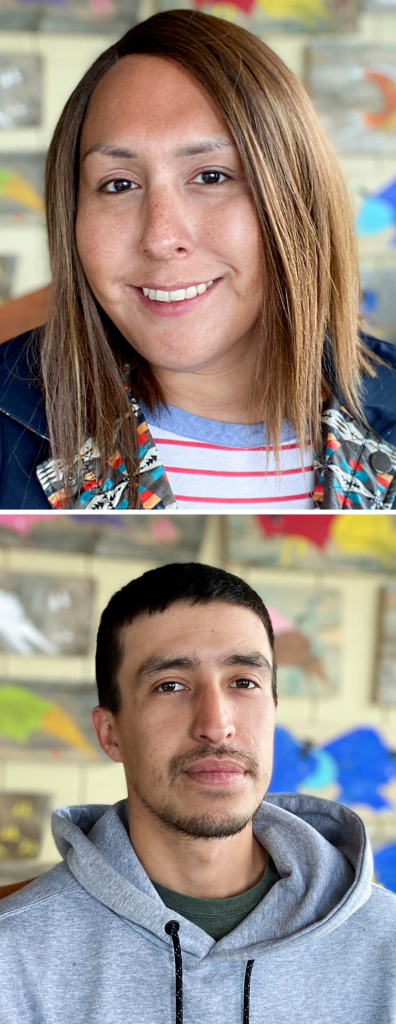 Mila Big Hair's Crow name is Holy Water Drum. Mila grew up on the Crow Indian Reservation in Montana and is 33 this year. Mila participates in the Crow sun dance and other sacred ceremonies and speaks the Crow language. Mila grew up at the Center Pole, her mother Peggy Wellknown Buffalo’s non-profit, and has worked there for about 10 years. Mila attended Guilford College in Greensboro, North Carolina, and the Institute of American Indian Arts in Santa Fe, New Mexico. Mila is a visual artist and sees film as an important tool to build knowledge, justice and awareness in her Native community. She believes her community is her teacher.
David Driftwood's Crow name is Child of the Sundance Whistle. David was born in Wyola, Montana, on the Crow Reservation and has lived there all his life. He is 24 years old. His father died when he was 12. His father instilled a work ethic in him and he began to be industrious, self motivated and interested in helping others at a young age. He grew up assisting his uncle, a filmmaker and teacher, to produce films for Little Big Horn College. He works at the Center Pole, Peggy Wellknown Buffalo’s community organization in community development, particularly in the area of food sovereignty. He has four children: 6, 5, 2 and 1 who are the lights of his life.
Mila Big Hair's Crow name is Holy Water Drum. Mila grew up on the Crow Indian Reservation in Montana and is 33 this year. Mila participates in the Crow sun dance and other sacred ceremonies and speaks the Crow language. Mila grew up at the Center Pole, her mother Peggy Wellknown Buffalo’s non-profit, and has worked there for about 10 years. Mila attended Guilford College in Greensboro, North Carolina, and the Institute of American Indian Arts in Santa Fe, New Mexico. Mila is a visual artist and sees film as an important tool to build knowledge, justice and awareness in her Native community. She believes her community is her teacher.
David Driftwood's Crow name is Child of the Sundance Whistle. David was born in Wyola, Montana, on the Crow Reservation and has lived there all his life. He is 24 years old. His father died when he was 12. His father instilled a work ethic in him and he began to be industrious, self motivated and interested in helping others at a young age. He grew up assisting his uncle, a filmmaker and teacher, to produce films for Little Big Horn College. He works at the Center Pole, Peggy Wellknown Buffalo’s community organization in community development, particularly in the area of food sovereignty. He has four children: 6, 5, 2 and 1 who are the lights of his life.
 The Missouri Rural Crisis Center (MRCC) is a statewide farm and rural membership organization founded in 1985 with over 5600 member families. MRCC’s mission is to preserve family farms, promote stewardship of the land and environmental integrity and strive for economic and social justice by building unity and mutual understanding among diverse groups, both rural and urban. MRCC carries out this mission through its programming areas, each with its own specific role in advocating for family farms and rural communities. Their innovative approach to family farm organizing includes challenging corporate control of the food supply, creating sustainable alternatives to the current farm and food system, and generating community participation to create a just, democratic society based on equity and fairness for all people.
MRCC fights to preserve family farms and independent family farm livestock production, promote stewardship of the land and a safe, affordable high-quality food supply, support social justice and economic opportunity, and engage rural Missourians in public policies that impact their farms, food, families and communities. In addition, MRCC plays leadership roles in national and international efforts for fair farm and trade policies.
The Missouri Rural Crisis Center (MRCC) is a statewide farm and rural membership organization founded in 1985 with over 5600 member families. MRCC’s mission is to preserve family farms, promote stewardship of the land and environmental integrity and strive for economic and social justice by building unity and mutual understanding among diverse groups, both rural and urban. MRCC carries out this mission through its programming areas, each with its own specific role in advocating for family farms and rural communities. Their innovative approach to family farm organizing includes challenging corporate control of the food supply, creating sustainable alternatives to the current farm and food system, and generating community participation to create a just, democratic society based on equity and fairness for all people.
MRCC fights to preserve family farms and independent family farm livestock production, promote stewardship of the land and a safe, affordable high-quality food supply, support social justice and economic opportunity, and engage rural Missourians in public policies that impact their farms, food, families and communities. In addition, MRCC plays leadership roles in national and international efforts for fair farm and trade policies.
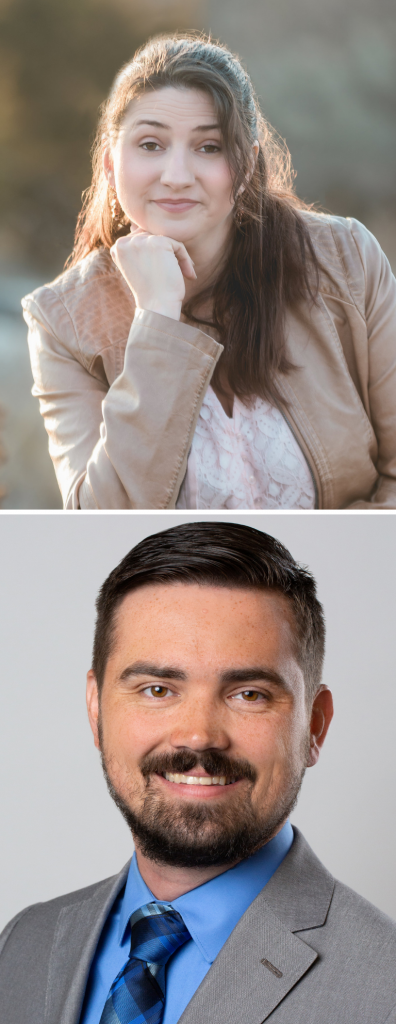 Jamie Blair is a longtime resident of Audrain County, Missouri, hobby gardener, mom, and amateur potato scientist. She became Rural Organizer and de facto Digital Organizer with Missouri Rural Crisis Center in early 2020. She is passionate about MRCC’s mission to curtail corporate control of our food systems and restore the natural relationship between farmers and the land. She is especially devoted to the role that sustainable farming can have on our environment through carbon sequestration, decreased runoff, and responsible water use. She wants to see a day where we can start to achieve carbon drawdown as well as a fair price for the farmers who put food on all of our tables. She loves nothing more than talking with other rural folks and finding ways that we can help them meet their needs and conquer the unique challenges that come with rural life. She also enjoys snuggles from friendly cows, horses, and llamas but makes do with her two dogs and cats for everyday affection.
Erich Arvidson is a Loan Officer in Mid-Missouri. He grew up in Delta, Missouri and now resides in rural Cooper County. He has a boundless curiosity that has led him to master a variety of hobbies and skills such as restoring antique cast iron and vintage video games, as well as soap making and bee keeping.
Jamie Blair is a longtime resident of Audrain County, Missouri, hobby gardener, mom, and amateur potato scientist. She became Rural Organizer and de facto Digital Organizer with Missouri Rural Crisis Center in early 2020. She is passionate about MRCC’s mission to curtail corporate control of our food systems and restore the natural relationship between farmers and the land. She is especially devoted to the role that sustainable farming can have on our environment through carbon sequestration, decreased runoff, and responsible water use. She wants to see a day where we can start to achieve carbon drawdown as well as a fair price for the farmers who put food on all of our tables. She loves nothing more than talking with other rural folks and finding ways that we can help them meet their needs and conquer the unique challenges that come with rural life. She also enjoys snuggles from friendly cows, horses, and llamas but makes do with her two dogs and cats for everyday affection.
Erich Arvidson is a Loan Officer in Mid-Missouri. He grew up in Delta, Missouri and now resides in rural Cooper County. He has a boundless curiosity that has led him to master a variety of hobbies and skills such as restoring antique cast iron and vintage video games, as well as soap making and bee keeping.  Mountain Watershed Association works to preserve, restore, and protect the Indian Creek and greater Youghiogheny River watersheds. These watersheds are located in the Appalachian foothills of Pennsylvania, a region known as the Laurel Highlands. Mountain Watershed Association organization has a unique approach in that they pursue on-the-ground restoration of past coal mining damage while we also advocate to protect our communities from the impacts of continued extraction for coal and, more recently, natural gas. Their work blends environmental monitoring, legal advocacy, and community organizing in order to empower local residents to take action to defend the waterways and communities they love.
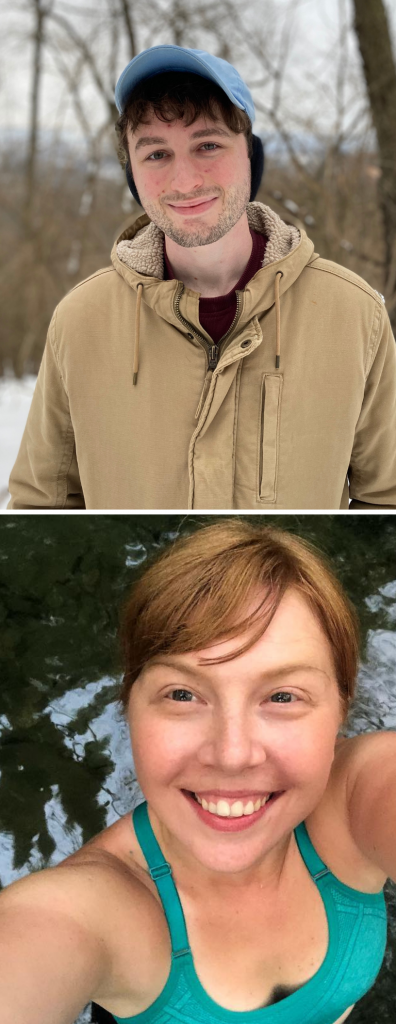 James Cato is a Community Organizer with Mountain Watershed Association. He lives in Pittsburgh, PA and he graduated from Oberlin College in 2020 with a degree in Environmental Studies. His organizing work focuses on the impacts of the petrochemical buildout in the Ohio River Valley. In his off time, he publishes speculative fiction about rural environmental issues, hoping to contribute to a greater narrative movement.
Stacey Magda is a community organizer with Mountain Watershed Association and lives along the Chestnut Ridge in the Laurel Highlands. She focuses on engaging communities around coal mining developments, fracking waste stream impacts, and defending the celebrated and endangered Youghiogheny River. Her deep appreciation of the area and natural resources feeds her passion for this work. When she isn't hosting community meetings and working on environmental impacts, she enjoys exploring rivers and trails with her young daughter and family.
.
James Cato is a Community Organizer with Mountain Watershed Association. He lives in Pittsburgh, PA and he graduated from Oberlin College in 2020 with a degree in Environmental Studies. His organizing work focuses on the impacts of the petrochemical buildout in the Ohio River Valley. In his off time, he publishes speculative fiction about rural environmental issues, hoping to contribute to a greater narrative movement.
Stacey Magda is a community organizer with Mountain Watershed Association and lives along the Chestnut Ridge in the Laurel Highlands. She focuses on engaging communities around coal mining developments, fracking waste stream impacts, and defending the celebrated and endangered Youghiogheny River. Her deep appreciation of the area and natural resources feeds her passion for this work. When she isn't hosting community meetings and working on environmental impacts, she enjoys exploring rivers and trails with her young daughter and family.
.
 Founded in 2009, the Partnership for Southern Equity (PSE) advances policies and institutional actions that promote racial equity and shared prosperity for all in the growth of Atlanta and the American South. PSE advances its work through an Equity Ecosystem to grow the momentum for change. The Equity Ecosystem uses equity as the lens to propose and pursue just and equitable solutions. Through Values-Based Organizing, community engagement, coalition building, and leadership development, PSE works with communities to promote just energy policies in Georgia and across the American South. A big part of that is helping people understand where their energy comes from, how that affects them, and how they can get involved. Racial equity is utilized as a framework for mobilizing advocacy around energy equity issues. Mobilization takes on many forms including the Just Energy Circle, which is made up of like-minded frontline community organizations and individuals looking to advance a “New Southern Agenda” in the fight against climate injustice.
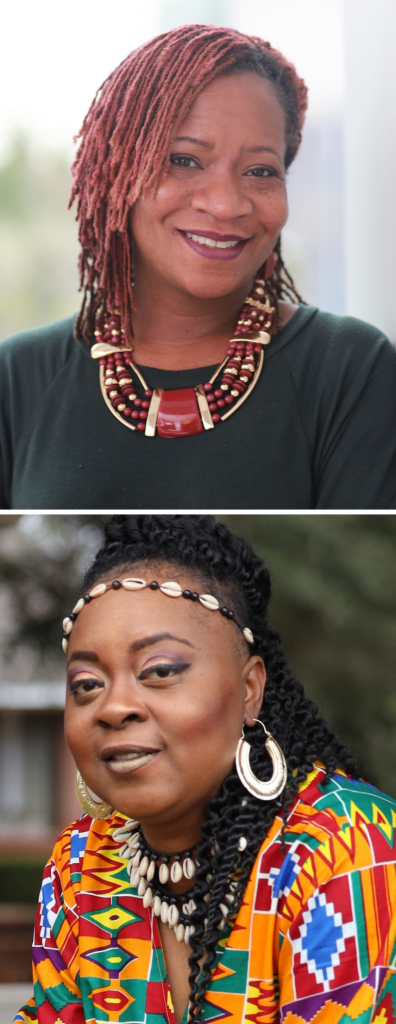 Marsha Gosier is the Central and Southwest Georgia Organizer for the
  The Rural Utah Project is dedicated to increasing civic engagement in rural communities across Utah. We’re a young organization and are motivated to build a powerful movement with our neighbors that fights for a more just and sustainable future for rural Utah’s communities and landscapes. We seek to expand civic participation by breaking down barriers to the ballot box and providing organizing tools to local communities.
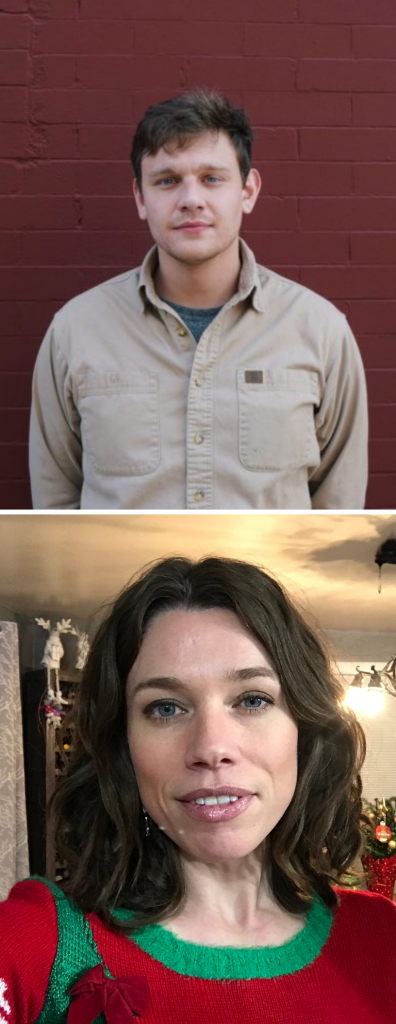 Nate Vosburg is a community and labor organizer having worked for political campaigns and unions across the country. Now based in southeastern Utah, his work with the Rural Utah Project focuses on voting rights and civic engagement, economic justice for workers, and just transition advocacy.
Krystyna has lived and worked on the Colorado Plateau since 1992, first in Grand Junction, CO, now in Moab, UT. After ten years teaching high school and middle school mathematics, she refocused her energy on public lands, community development, and the environment with Public Land Solutions as Executive Coordinator and Technology Manager. An avid hiker, trail runner, and explorer, she holds a B.S. in Physics, an M.A. in Education and is currently working on a graduate degree in Natural Resources from Utah State University. She recently joined the board of KZMU 90.1, a local radio station, and volunteers with other organizations in the area. On the weekends she can be found roaming the desert with her dog, Beau.
.
Nate Vosburg is a community and labor organizer having worked for political campaigns and unions across the country. Now based in southeastern Utah, his work with the Rural Utah Project focuses on voting rights and civic engagement, economic justice for workers, and just transition advocacy.
Krystyna has lived and worked on the Colorado Plateau since 1992, first in Grand Junction, CO, now in Moab, UT. After ten years teaching high school and middle school mathematics, she refocused her energy on public lands, community development, and the environment with Public Land Solutions as Executive Coordinator and Technology Manager. An avid hiker, trail runner, and explorer, she holds a B.S. in Physics, an M.A. in Education and is currently working on a graduate degree in Natural Resources from Utah State University. She recently joined the board of KZMU 90.1, a local radio station, and volunteers with other organizations in the area. On the weekends she can be found roaming the desert with her dog, Beau.
.
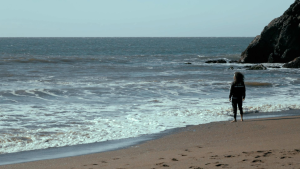
 The COVID-19 crisis inside California prisons has claimed the lives of over 200 incarcerated people and infected tens of thousands more. This film tracks the origins of COVID-19 inside the California state prison system and a newly formed coalition, led by currently and formerly incarcerated people, that brought forward an abolitionist framework to a life or death situation.
  Space to Breathe
 Every Monday night, Michelle Griffin dials into WMMT-FM community radio’s
  Pen Pals
 When an unlikely duo discovers a pattern of illegal sterilizations in women’s prisons, they wage a near impossible battle against the Department of Corrections. Filmed over seven years with extraordinary access and intimate accounts from currently and formerly incarcerated people,