Rural Cinema


Rural Cinema is a training institute and community engagement program aimed at supporting leaders from rural areas and small towns across the US in using film screenings as a resource in their work for environmental justice and protection.

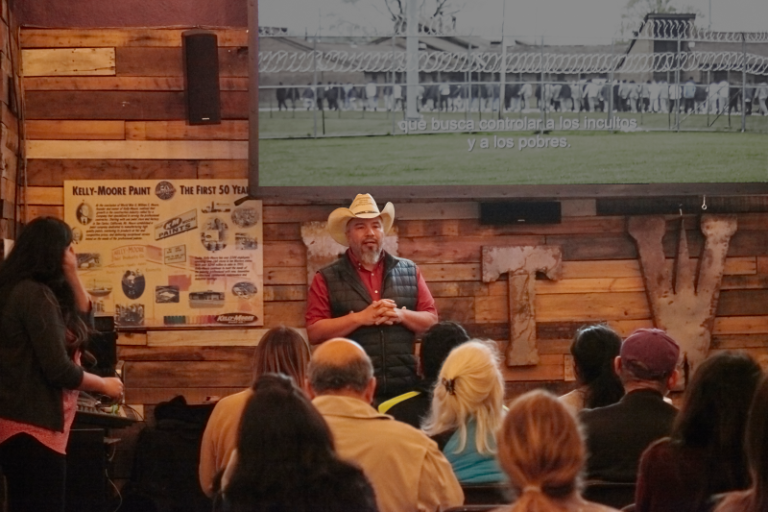
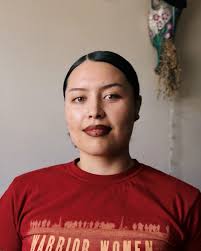
Ryia LeBeau, Nažó Society

“This film series [is] a catalyst for much needed conversations in our community, to spark action and activism. This space will also provide opportunities centered around much needed awareness, healing conversations, and the importance of taking care of ourselves and our own community.”

Rural Cinema is a training institute and community engagement program aimed at supporting leaders from rural areas and small towns across the United States in using film screenings as a resource in their work for
environmental justice and protection.

We select organizations in locations that are directly affected by polluting industries or climate disasters, as well as areas transitioning from being economically fueled by extractive energy industries to adopting more sustainable approaches.

Selected organizations for Rural Cinema receive a $2,500 honorarium, a screening equipment package, a solar battery to run the equipment, and a $5,000 budget for any other hard costs needed for the series.

PROGRAM ELEMENTS:

Virtual Training Institute
We will provide four, two-hour virtual training sessions for selected applicants focused on best practices for using documentary film as an organizing, educational, civic engagement, and advocacy tool. These trainings will provide space for two representatives from each selected community to come together to learn how to utilize film screenings to move their community to action and ultimately advance their advocacy goals. This training will lay the groundwork for extensive ongoing support for each group’s film series. A few examples of training topics include: how to plan a community film series centered around key goals, audiences, and community actions, how to use the film screening equipment, how to work with drive-ins/how to create your own, and how to host in-person events and virtual events.

Ongoing Support & Training
We will provide ongoing, individualized training and consultation (in the form of regular check-ins) with participating community leaders as they incorporate film screenings into their work over the course of the year-long program. Working Films staff will work with each leader to identify specific goals, select films, and plan its strategic use in multiple public events (in-person or virtual) in their community over the course of a year. Working Films will provide monetary support for community leaders to use for hard costs like venues, refreshments, screening rights fees, virtual tech support fees, speaking honorariums for filmmakers and other panelists, advertisements, etc.

Film Screening Equipment & Solar Equipment
We will provide each selected community with a full package of screening equipment that can be used for outdoor or indoor in-person events. This includes an inflatable screen, projector, sound system, and control console provided by Epic Outdoor Cinema. Also, since the goal of these screenings is to take action toward environmental justice solutions, each organization or individual will also receive a solar battery that will help power the film screening equipment. This equipment will permanently stay in each community. Recipients will be able to keep all of this equipment after the Rural Cinema program has ended for further use long into the future.

Organizations working in rural areas or small towns in the United States that can be described in at least one of the ways below are eligible to apply:

  • An area directly affected by polluting industries or climate disasters.
  • An area abandoned by extractive energy industries.
  • An area transitioning from, or trying to transition from, extractive energy industries to more sustainable approaches.

COMMITMENT

Applicants must commit to assigning two individuals to lead their participation in Rural Cinema. These two individuals must attend each of the four, two-hour virtual training sessions to be held throughout the spring. The individuals will also be the primary liaison with Working Films’ staff as we support the organization in planning and implementing screening events over the course of the year. This does not preclude participation by other individuals/staff members.

Currently closed for applications. If you have questions, please contact us at info@workingfilms.org.

Applications are be reviewed by a team of nonprofit and organizing leaders and selections will be made based on the following criteria:

  • Alignment of an organization’s mission with the stated focus area of addressing environmental issues in their community.
  • An organization’s demonstrated enthusiasm and interest in using film in their work (previous use of film is not a requirement).
  • The extent to which an organization has been able to come up with a vision and clear goals for their series, even if it is just a first draft. We know that sometimes overall vision and goals change throughout the course of the trainings.
  • Capacity to attend the trainings and devote time to organizing a series in their community throughout the year.
  • The extent to which an organization reflects and/or shows accountability to the communities they organize and work with.

Applicants will be notified as to the outcome of the selection process in February of the following year. For a full timeline of the trainings and program, see the FAQ.

Currently closed for applications. If you have questions, please contact us at info@workingfilms.org.

Currently closed for applications. If you have questions, please contact us at info@workingfilms.org.

View a recording of the 2025 Rural Cinema Webinar below:


View a recording of the 2023 Rural Cinema Webinar below:

FAQ’s

1. Is this an opportunity for a filmmaker or media maker? Is this an opportunity to make a film? Is a film going to be made?

No. Rural Cinema is a program designed to train community organizers on how to use screenings of existing films in their advocacy and community building efforts. Selected applicants will learn how to host effective screening events (in-person events, drive-ins, virtual screenings, etc.) from finding the right film, to how to hold an engaging discussion with audiences, to taking action after a screening, etc.

2. If I already have speakers, or a projector, or a screen – or anything that I use to screen films, will I still receive the full equipment package? 

Yes! Our partnership with Epic Outdoor Cinema allows everyone to receive all of the equipment in this system.

3. If I’m selected for Rural Cinema, when will the program take place?

The four virtual 2-hour training sessions will begin in March, and continue through the spring. Each selected community will then host a film series of 4-6 events through the remainder of 2023. In general, organizations usually select the films after the trainings in late spring/early summer, and then spend the summer planning their events, with the actual film screenings taking place between late summer and the end of the year.

4. I’ve never used film in my work before, can I still apply?

Yes. We welcome applications from those who are new to the idea of using film as a tool in their work. We just ask that you tell us why you are excited about using film and what you hope to learn. We’d also like you to share ideas you have for films you might like to screen, but it is ok if these are simply early brainstorms. We’re just interested in learning about your vision for what a screening series could look like in your community.

5. I’m a statewide, regional, or national organizer, and my work is not just in a rural area, can I still apply? 

Yes. You can apply, but you must apply for work that will take place in one rural area. You are, of course, welcome to apply your learnings from this project wherever you are organizing. But for our purposes we want you to host several screening events targeted for one rural area, not statewide. Also, it is important to note that the application includes a question about your relationships to the community in which you are working. We are looking for participants whose lived experience informs the work they are doing and that are deeply accountable to the communities in which they are working. We also strongly recommend that you have someone from the local community co-apply with you, or at least be the second collaborator that participates.

6. I organize in a few rural towns close by, or throughout an entire rural county, can I still apply? 

Yes, we know that polluting industries and other environmental concerns are likely to affect several townships, so this is totally fine as long as these are rural areas close to each other. Some past examples have included hosting a film series: in a small town, throughout a watershed, in two counties, and throughout part of a reservation.

7. I work alone, is it a requirement to have two individuals lead our work on this project?

Yes. In order to be eligible, you must commit to assigning two individuals (including yourself) to lead your participation in Rural Cinema.

8. The second person who will work on Rural Cinema with me is not on staff, but is a volunteer with our organization. Is this ok?

Yes, additional representatives can be any leader in your community including volunteers. We also strongly recommend this route if you are a statewide organization focusing in a community in which your staff is not based.

9. Do y’all have a preselected library of films we are supposed to use? 

We don’t have a preselected library of films. The chosen films are up to each individual/organization since you know what could make the most impact in your community. Working Films can help suggest films and will be covering this more in detail in the trainings.

10. I have a disability and will need special accommodations arranged for me to apply to Rural Cinema. Does Working Films provide support?

Working Films strives to make all of our events and programs accessible, including our application processes. To request an accessibility accommodation or adjustment, please email info@workingfilms.org.

11. I have more questions! What can I do?

If you have any more questions, please reach out to Andy Myers, Director of Campaigns and Strategy, at amyers@workingfilms.org, and Hannah Hearn, Impact Coordinator and Fellowships Lead, at hhearn@workingfilms.org.

 

2024 Recipients

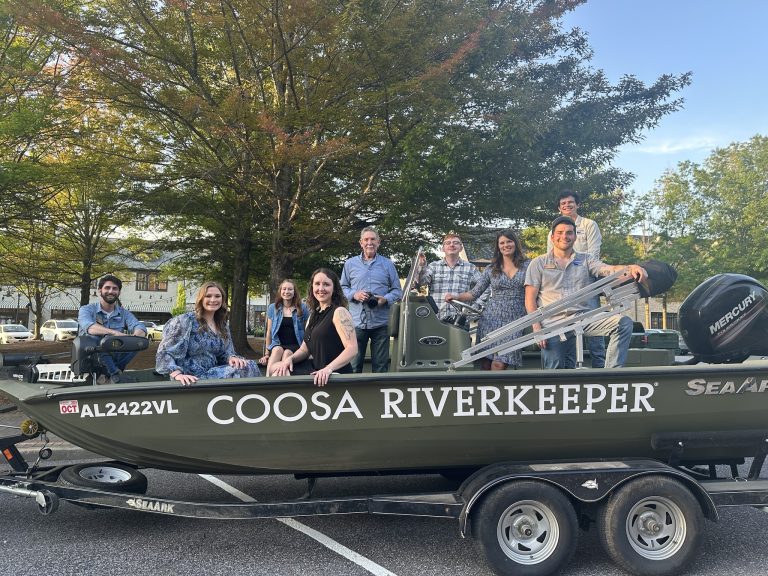
Alabama Rivers Alliance + Coosa Riverkeeper

The Alabama Rivers Alliance (ARA)  is a statewide coalition of diverse organizations dedicated to safeguarding and rejuvenating all of Alabama’s waterways. Through collaboration, community empowerment, and advocacy for effective water policies, ARA aims to protect the state’s water resources. Their…

FIND OUT MORE

Local Environmental Action Demanded

L.E.A.D. (Local Environmental Action Demanded) is a grassroots environmental justice organization led by Indigenous people. They focus on safeguarding the health and well-being of residents in Ottawa County and neighboring areas in northeastern Oklahoma, which comprises the territories of various…

FIND OUT MORE

C Disaster Resilience and Response Network

The NC Disaster Resilience and Response Network coordinates rural-focused and grassroots initiatives to aid disaster recovery groups statewide. It’s a diverse coalition of local, regional, and statewide organizations working together to address environmental injustices and legacy pollution in affected communities. Through…

FIND OUT MORE

SOWEGA Rising

SOWEGA Rising aims to enhance the quality of life, well-being, and political influence of marginalized residents in Southwest Georgia. Their initiatives include focusing on climate, utilities, and environmental (CUE) justice. They educate the community about the impact of CUE justice…

FIND OUT MORE

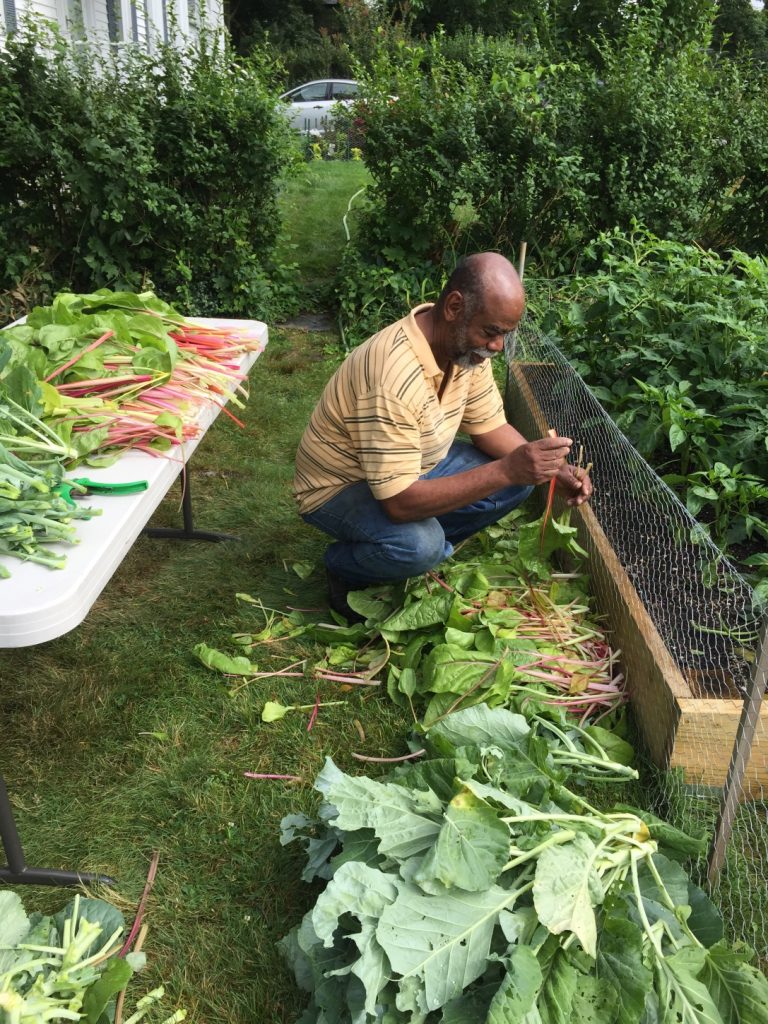
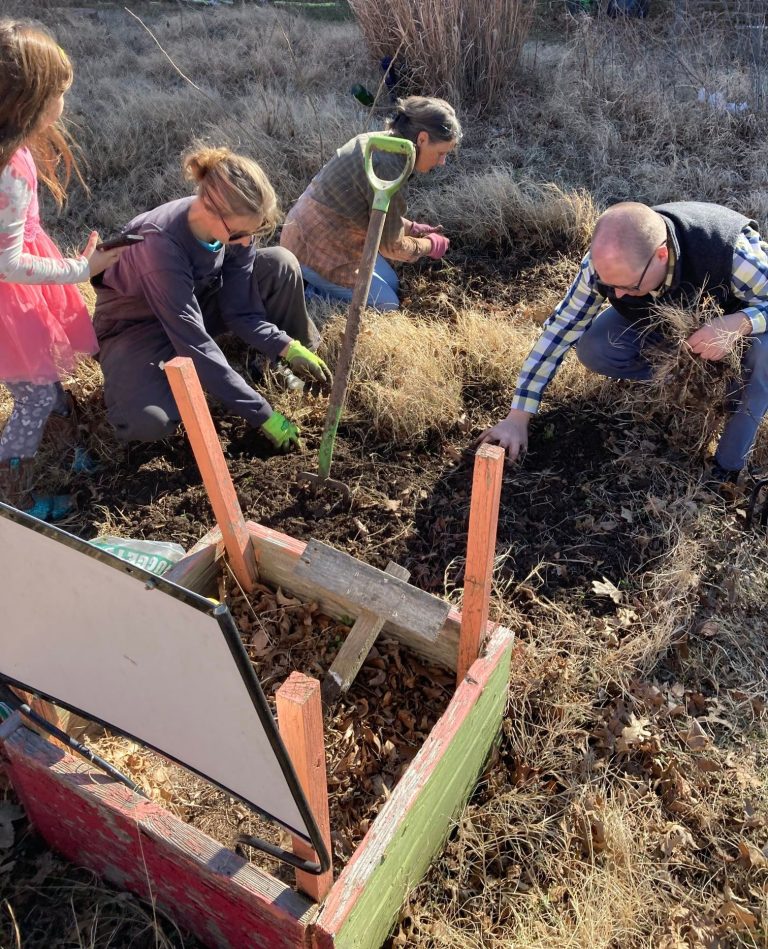
Peace Garden Project

The Peace Garden Project aims to tackle issues of justice by focusing on environmental and food justice. Through education and community involvement, they empower individuals to understand the interconnectedness of environmental issues with broader social problems and encourage collective action…

FIND OUT MORE

West Virginia Rivers Coalition

The West Virginia Rivers Coalition is committed to preserving and restoring West Virginia’s rivers and streams for diverse ecosystems and economies. They engage in policy advocacy, industrial oversight, safe water initiatives, public lands protection, climate action, just transition, and watershed…

FIND OUT MORE

2023 Recipients

Faith In Place

Since 1999, Faith in Place has empowered Illinois people of all faiths to be leaders in caring for the Earth, providing resources to educate, connect, and advocate for healthier communities. As a statewide, multifaith 501(c)(3) nonprofit organization, Faith in Place…

FIND OUT MORE

Camas to Condors Project

Camas to Condors is a restoration and conservation project encompassing the Blue Mountains ecoregion, the Bitterroot Mountains, and the Salmon, Clearwater and Tucannon River Subbasins, all of which are contained within the Nez Perce Tribe’s usual and accustomed areas. It…

FIND OUT MORE

Nažó Society

‘NAZO’ means to “sound or blow the whistle in alarm” in Lakota. Nazo was formed in 2019, when a group of women came together on the Cheyenne River Reservation to discuss the threat of the man camps which would accompany…

FIND OUT MORE

Our Future West Virginia

Our Future West Virginia meets folk where they are, helping communities build local power to upend oppressive systems around them. We envision a West Virginia where EVERY person has the justice, dignity, and equity needed to thrive. Our Future West Virginia is…

FIND OUT MORE

Rogue Climate

Rogue Climate’s  mission is to empower Southern Oregon communities most impacted by climate change, including low-income, rural, youth, seniors, and communities of color, to win climate justice by organizing for clean energy, sustainable jobs, and a healthy environment.

FIND OUT MORE

2021 Recipients

The Center Pole

The Center Pole is a Native non-profit organization founded in 1999. The campus is located at the foot of the Little Big Horn Battlefield National Monument on the Crow Indian Reservation in Montana. Originally a youth development organization, The Center…

FIND OUT MORE

Missouri Rural Crisis Center

The Missouri Rural Crisis Center (MRCC) is a statewide farm and rural membership organization founded in 1985 with over 5600 member families. MRCC’s mission is to preserve family farms, promote stewardship of the land and environmental integrity and strive for…

FIND OUT MORE

Mountain Watershed Association

Mountain Watershed Association works to preserve, restore, and protect the Indian Creek and greater Youghiogheny River watersheds. These watersheds are located in the Appalachian foothills of Pennsylvania, a region known as the Laurel Highlands. Mountain Watershed Association organization has a…

FIND OUT MORE

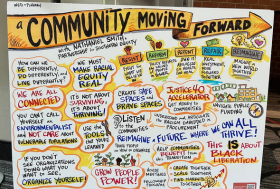
Partnership for Southern Equity

Founded in 2009, the Partnership for Southern Equity (PSE) advances policies and institutional actions that promote racial equity and shared prosperity for all in the growth of Atlanta and the American South. PSE advances its work through an Equity Ecosystem…

FIND OUT MORE

The Rural Utah Project

The Rural Utah Project is dedicated to increasing civic engagement in rural communities across Utah. We’re a young organization and are motivated to build a powerful movement with our neighbors that fights for a more just and sustainable future for…

FIND OUT MORE

2020 Recipients

Center for Coalfield Justice

The Center for Coalfield Justice is a 501(c)(3) environmental justice nonprofit in Pennsylvania whose mission is to improve policy and regulations for the oversight of fossil fuel extraction and use; to educate, empower and organize coalfield residents; and to protect…

FIND OUT MORE

Citizens for a Healthy Community

Citizens for a Healthy Community (CHC) is a grassroots nonprofit organization of 1500 visionaries dedicated to protecting the air, water and foodsheds within the Delta County region of Southwest Colorado from the impacts of oil and gas development and paving…

FIND OUT MORE

Good Stewards of Rockingham/Dan Riverkeeper

Good Stewards of Rockingham is a grassroots environmental organization committed to protecting their region from polluting industry. Good Stewards founded the first Dan Riverkeeper in mid 2019 to further their protective reach into their vast water resources and support community…

FIND OUT MORE

Iniciativa de EcoDesarrollo de la Bahia de Jobos (IDEBAJO)

The Iniciativa de EcoDesarrollo de la Bahia de Jobos (IDEBAJO) is an environmental organizing support hub for various grassroots groups in the Jobos Bay area of southeastern Puerto Rico. Members are committed to environmental, climate, and energy justice, rooftop community…

FIND OUT MORE

Menīkānaehkem

Menīkānaehkem, Inc is a non-profit organization located on the Menominee Indian Reservation in Wisconsin. Much of Menīkānaehkem is operated by indigenous organizers who take the lead on a number of different initiatives that Menīkānaehkem works on. Menīkānaehkem is driven to…

FIND OUT MORE

Native Movement

Founded in 2003 out of Arctic Village, Alaska, Native Movement’s initial campaign was to help build a collective Alaska Native voice for the recognition of Indigenous hunting and fishing rights. By 2007 Native Movement had become formally incorporated as a…

FIND OUT MORE

Rural Organizing Project

Rural Organizing Project (ROP) is a statewide organization that supports a multi-issue, rural-centered, grassroots base of over 65 groups across small-town, rural, and frontier Oregon. ROP works to build and support a shared standard of human dignity: the belief in…

FIND OUT MORE