

Film and Activism
Human Rights

Tales from Planet Earth – Movie & a Meal

November 12, 2009 BY Molly Murphy

When watching news about famines and starving people in foreign countries, we often feel removed from the problem, even as we express pity and regret. Beadie Finzi’s The Hunger Season shatters our illusions of distance, however, revealing the complex interconnections between global economic systems, the hunger for new biofuel sources of energy, global climate change, political unrest, and resulting devastation of drought and famine for millions of people around the world. Tracing the journey of food aid from the fields of Wisconsin farmers to USAID and finally to Swaziland, where Justice, a village leader, struggles to feed his neighbors, Finzi brings home our role in the hunger crises and also our ability to help avert such problems.

A moving experience, The Hunger Season had its sneak peek world premiere at a Tales from Planet Earth event in October 2008 and came back for the 2009 festival by popular demand. The screening event held a year ago was co-hosted by First United Methodist Church of Madison, the Nelson Institute for Environmental Studies, the Center for Culture, History and Environment (CHE) and Working Films. This event built the impetus for the event on Sunday – which is becoming a new national engagement project built around the film called “Meal & a Movie in a Box.”

In addition to the Meal & a Movie, two students in the Community Engagement through Film class, Sarah Obernauer or Tia Nowack, made a tie between Swaziland to Madison with Share the Shares which brought CSA and local food production into the mix.

Watch the video above to hear more about this innovative program.
RELATED NEWS

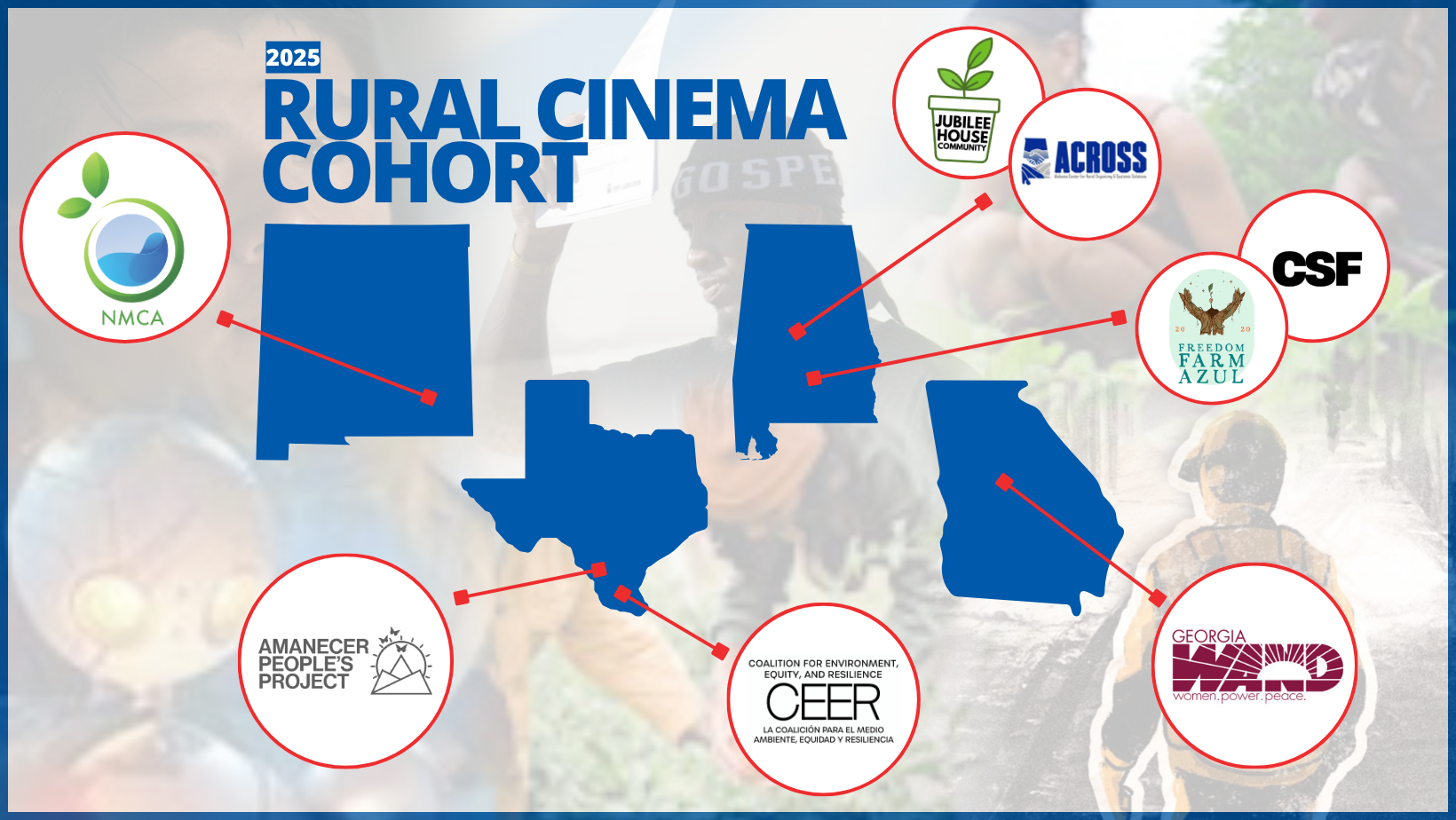
Get to Know the 2025 Rural Cinema Cohort

At its heart, Rural Cinema is about harnessing the power of story to drive change. The program trains environmental justice organizers to use film as a tool to bring people together, spark meaningful conversations, and inspire action on the challenges their communities face. With hands-on training, access to films, and funding to host their own series, participants transform storytelling into tangible, local impact. This year, we’re excited to shine a spotlight on the 2025 Rural Cinema cohort, a remarkable group of organizations from across the country that are reshaping what’s…

Story Leads to Community Change: Interning for Impact with Cheris Singleton-Irizary

The Working Films team had the chance to work with Cheris Singleton-Irizary this summer through the Nonprofit Internship Program hosted by the NC Network of Grantmakers. Cheris is a Child Development major at Meredith College and originally from Wilmington, NC. Her passion for community care, arts, and youth empowerment and resourcing caught our eye, and since bringing her on, we’ve been able to collaborate with her on building out our youth focused film programming. She has also gotten to learn about different organizing efforts and support our work on film…

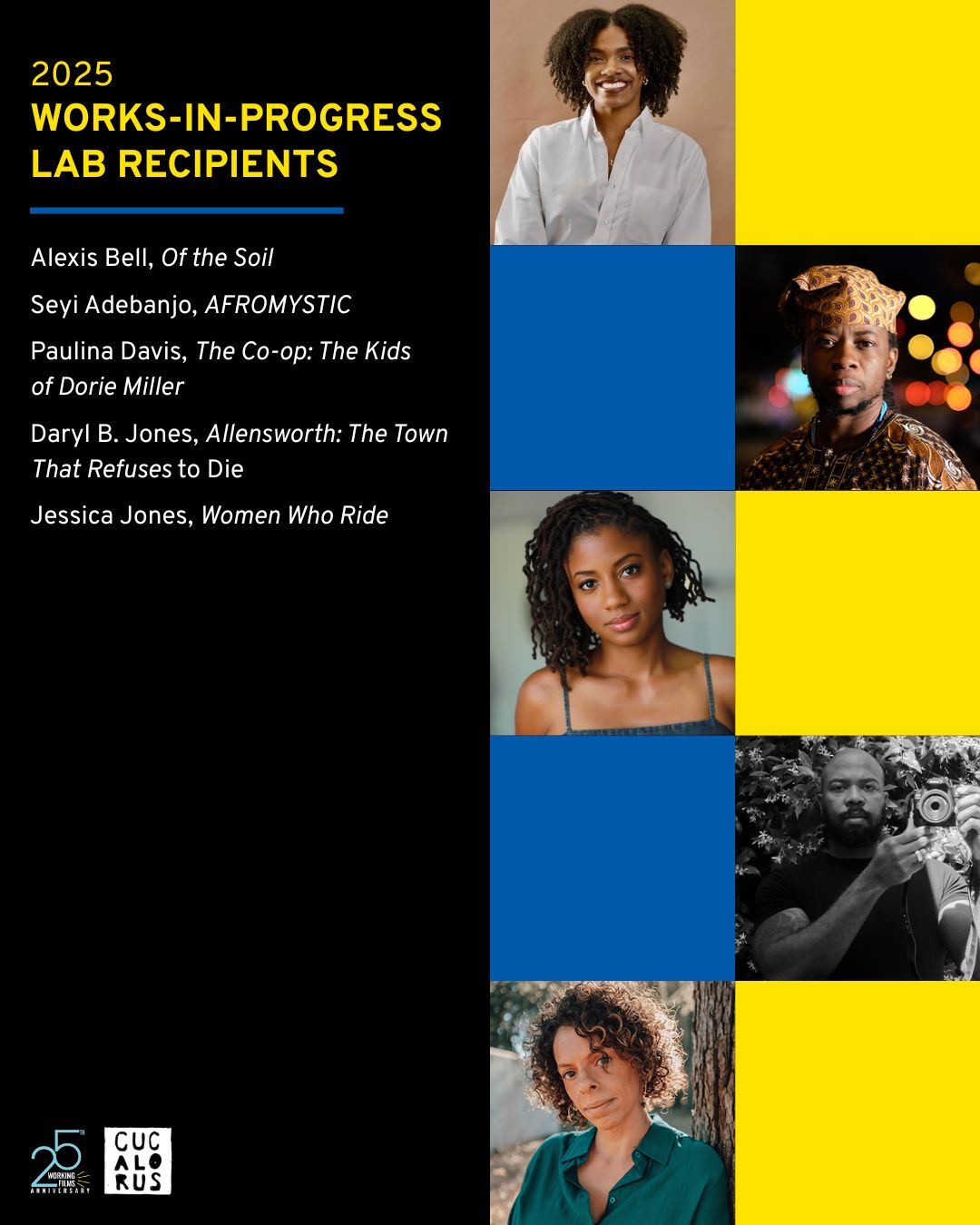
2025 Works-in-Progress Lab Recipients

The Cucalorus Works-in-Progress (WiP) Lab supports social justice documentaries with a focus on Black storytelling. Co-designed and coordinated by Working Films, participating artists will receive feedback on their work-in-progress and explore audience engagement strategies through workshops, consultations, and community screenings during a residency at Cucalorus’ campus from April 22-29, 2025. Now in its 17th year, the Works-in-Progress Lab was launched in 2008 through a partnership between Working Films and Cucalorus. The following documentary films were selected for the Cucalorus 2025 Works-in-Progress Lab: Of the Soil by Alexis Bell While America’s food system threatens the health…